
by Salvatore Tomasello
In ancient times, cane was used as a building material: it was tied beneath roof tiles or embedded within walls to provide insulation or structural support.
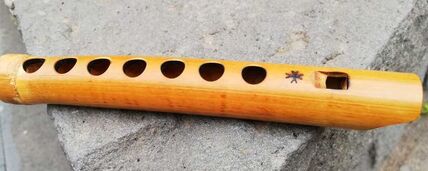
Today, those same cane stalks—carefully recovered from centuries-old buildings—are brought back to life in the finest friscaletti I make.
I am often asked: “What is the difference between a friscalettu made from normally seasoned cane and one made from century-old cane?”
The answer lies primarily in the value of the raw material.
Century-old cane not only has a beautifully aged appearance and unique character, but also benefits from an unrivalled period of natural seasoning. This makes it fascinating and precious, a true treasure for enthusiasts and collectors.
From a sound perspective, however, the difference is subtle. In theory, such ancient cane should vibrate differently from cane seasoned for “only” 3 or 4 years. In practice, based on my years of experience, the two types produce a very similar sound. Every cane stalk is unique, and the handcrafted construction process makes a perfectly objective comparison impossible.
It is worth remembering that cane is classified as a type of grass, not wood: for this reason, instruments made from century-old cane can be more delicate and must be handled with particular care.
In short, a friscalettu made from century-old cane is a unique piece, rich in history, beauty and time. A gift from tradition for those seeking more than an instrument: a soul to be played.
No Comments